

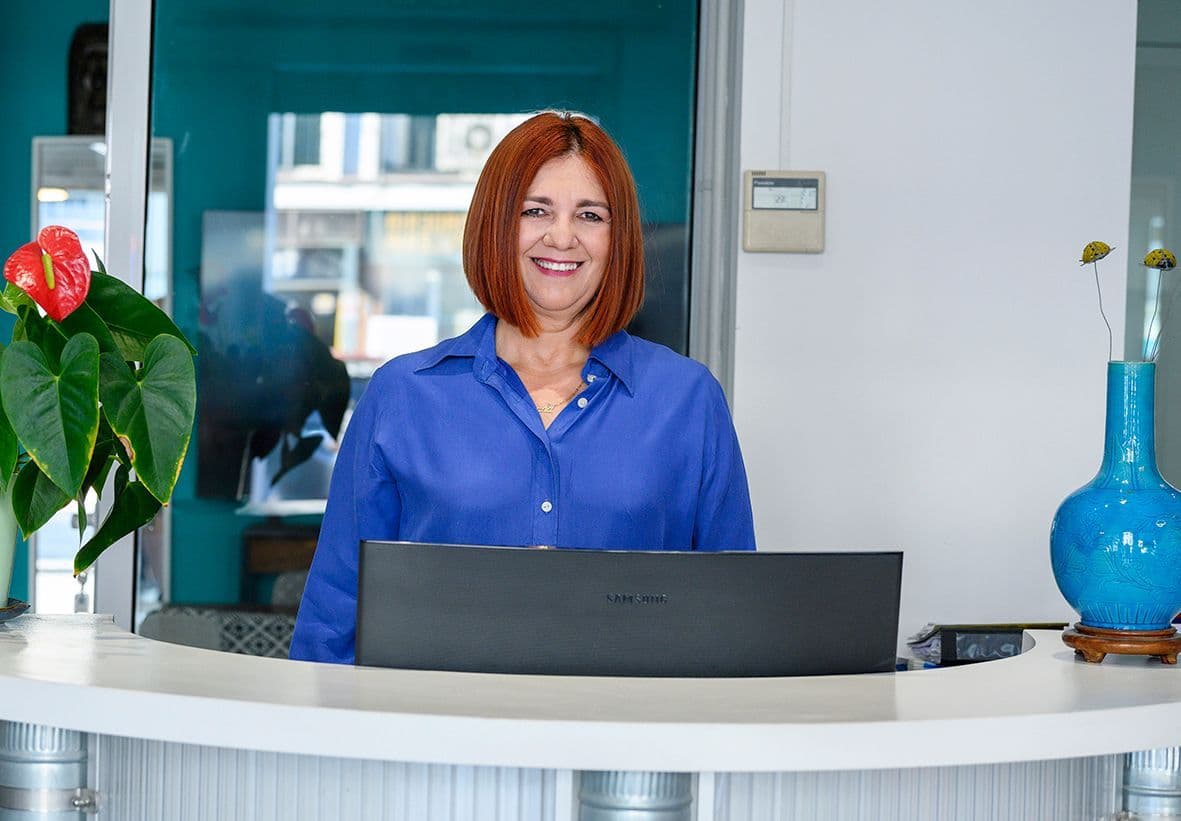
Maria Jose is a locally-born professional office specialist with bilingual secretarial studies who has been working in an array of companies in the town of San Roque and Sotogrande, joining the BM Team in 2015.
Spain's beloved pilgrimages — faith, food, horses, and flamenco under the open sky
If you've ever found yourself driving through rural Spain and suddenly come across a slow procession of flower-decorated carts, horses in full regalia, and hundreds of people in colorful traditional dress — singing and dancing along a country road — you've stumbled onto one of Spain's most cherished traditions: the romería.
It looks like a party. At heart, it's a pilgrimage. In practice, it's both — and something more.
The word comes from romero — pilgrim. Every year, usually on the feast day of a local patron saint or the Virgin Mary, entire communities leave their town and travel together — on foot, horseback, or by decorated cart — to a rural hermitage or chapel. The journey itself is the whole point.
"A romería is not just a religious event. It's the day a whole community steps outside its daily life and travels together — singing, riding, sharing food — to visit their patron saint. A living tradition five hundred years old."
1 Departure
A religious statue is carried out of the church. Participants dress in regional costume — trajes de flamenca in Andalusia, folk dress elsewhere. Horses, decorated carts, and walkers all set off together toward the countryside.
2 The journey
Hours of walking and riding through fields. Groups cook on portable stoves, share wine and sherry, play guitar, and dance spontaneously by the road. Joyful, communal, unhurried.
3 Mass at the shrine
Upon arrival, a mass is held. For many, this is the spiritual heart of the day — prayers, offerings of flowers, and genuine devotion before the image of the patron.
4 The feast
After mass, the real celebration begins. Families spread across the meadows with gazpacho, tortilla, fried fish, and wine. Music and flamenco fill the afternoon well into the evening.
🕊️ Most famous - El Rocío, Huelva
🏔️Most dramatic - Covadonga, Asturias
🌸Most colorful - San Isidro, Madrid
🌊Most unique - Virgen del Mar, Cantabria
El Rocío, held at Pentecost in the Andalusian marshlands, is the grandest of them all. Nearly a million pilgrims converge from across Spain — some walking for days — to honor a small wooden statue of the Virgin housed in a white hermitage at the edge of the Doñana wetlands. Flamenco, manzanilla sherry, horses, dust, and deep faith, all at once.
Dress for it. You don't have to wear traditional dress, but it's genuinely appreciated. In Andalusia, women wear the iconic traje de flamenca; men the traje corto. Effort goes a long way.
Bring food to share. Romerías run on generosity — groups bring far more than they can eat and share freely. Accepting food and drink is part of the experience.
Respect the religious moments. Even if you're not Catholic, the procession and mass are sacred for participants. Follow the lead of those around you and keep cameras discreet.
Don't rush. Romerías make time feel irrelevant. If someone invites you to sit and eat, accept. The best moments often happen hours after you planned to leave.
"No one goes to a romería alone. You go as a family, a village, a brotherhood. And when you arrive, you realize the journey was always the destination."


